Flexographic printing depends on controlled ink movement to produce sharp images, balanced colors, and consistent impressions across different materials. Ink viscosity plays an important role because it influences how smoothly ink travels through the anilox system, reaches the printing plate, and transfers onto the substrate. A well-managed viscosity level supports efficient printing and helps maintain attractive results throughout production.
For practical guidance on suitable viscosity measurements and ranges, https://www.ketegroup.com/flexo-ink-viscosity-range/ can provide useful background for understanding how ink characteristics influence flexographic printing performance.
Choosing A Suitable Viscosity Range
Different ink formulations require different viscosity conditions. Water-based, solvent-based, UV-curable, and high-solids inks can have distinct flow characteristics. Therefore, the ideal setting should always be selected according to the ink formulation, substrate, printing speed, and equipment configuration.
Important considerations include:
- Ink formulation and solids concentration
- Substrate type and surface properties
- Anilox cell volume and specifications
- Printing speed and operating conditions
- Temperature around the ink circulation system
Keeping these factors aligned helps create a smooth and dependable printing process.
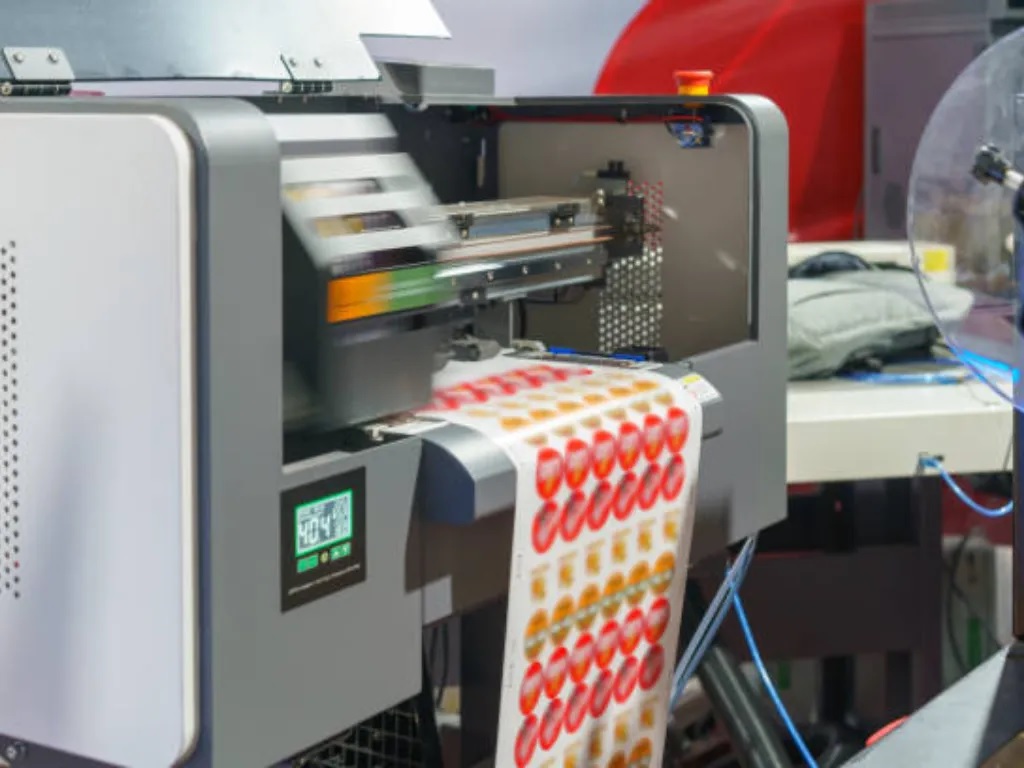
Maintaining Consistent Ink Conditions
Ink viscosity can change during production as temperature, evaporation, and circulation conditions vary. Regular monitoring allows operators to recognize changes early and make controlled adjustments when needed. Using consistent measurement techniques also makes it easier to compare readings and maintain established production settings.
Temperature deserves particular attention because warmer ink generally flows more easily, while cooler conditions can increase resistance to flow. Maintaining stable operating temperatures therefore contributes to predictable ink transfer and consistent print appearance.
Supporting Clear And Uniform Impressions
Balanced viscosity encourages effective ink transfer between the anilox roll, plate, and substrate. When the ink flows appropriately, printed areas can achieve cleaner edges, even coverage, and dependable color density. This is especially valuable for packaging applications where graphics, text, and fine details need to remain visually consistent.
Shear behavior is also important. Many flexographic inks become less viscous when subjected to the forces created during high-speed printing. This characteristic can support efficient transfer while allowing the ink to maintain suitable stability when it is not under strong shear.
Practical Steps For Better Ink Flow
A simple process-control routine can support reliable results:
- Measure viscosity at consistent intervals.
- Record temperature alongside viscosity readings.
- Follow the recommended range for each ink formulation.
- Make gradual adjustments rather than sudden changes.
- Keep ink circulation clean and stable.
- Monitor print appearance throughout longer production runs.
Building Reliable Printing Performance
Optimized ink flow helps flexographic operations achieve consistent impressions while supporting efficient production. By understanding viscosity, monitoring changing conditions, and coordinating ink properties with press settings, manufacturers can create a stable foundation for high-quality printing. Careful viscosity management ultimately contributes to sharper graphics, balanced color, smooth coverage, and dependable results across every production run.