Comfortable stroller solutions can make everyday family outings more pleasant for both parents and babies. Thoughtful designs combine supportive seating, smooth movement, practical storage, and convenient features to create a relaxed travel experience. When a stroller fits naturally into family routines, parents can enjoy greater confidence while babies experience comfortable journeys.
Supportive Seating Encourages Baby Comfort
A well-designed stroller provides a welcoming space where babies can rest during walks, outings, and family activities. Supportive seating and gentle materials can help create a comfortable environment while allowing parents to focus on enjoying their time together.
- Cushioned seating encourages pleasant rides
- Supportive structures promote comfortable positioning
- Adjustable features suit changing needs
- Spacious seating allows natural movement
- Stable designs provide reassuring support
Smooth Handling Makes Outings Enjoyable
Easy handling can help parents move comfortably while keeping everyday journeys relaxed. Balanced frames, responsive steering, and smooth wheels can support confident movement across different surroundings and make family activities more enjoyable.
- Smooth wheels support comfortable movement
- Responsive steering encourages easier handling
- Balanced frames improve everyday mobility
- Comfortable handles make pushing easier
- Stable construction supports confident journeys
Practical Features Simplify Family Routines
Parents often carry essential items during outings, making convenient stroller features valuable. Useful storage, accessible controls, and simple adjustments can help families stay organized while reducing unnecessary effort during busy days.
- Spacious baskets provide useful storage
- Accessible compartments keep essentials nearby
- Easy adjustments support changing needs
- Convenient features simplify daily activities
- Organized designs encourage smoother outings
Flexible Designs Support Growing Babies
Babies develop quickly, and their needs can change over time. Adaptable stroller designs can provide useful flexibility by supporting different stages and allowing parents to create comfortable arrangements for everyday journeys.
- Adjustable seating supports growing children
- Flexible positions provide added comfort
- Versatile features suit different activities
- Adaptable designs support changing routines
- Practical options encourage longer usefulness
Durable Construction Builds Everyday Confidence
A dependable stroller should provide consistent support during regular family activities. Strong frames, durable materials, and reliable wheels can contribute to lasting performance while helping parents feel confident during walks, outings, and longer journeys.
- Durable frames support frequent use
- Strong materials encourage lasting value
- Reliable wheels promote smooth movement
- Stable structures provide dependable support
- Quality construction improves everyday confidence
Thoughtful Designs Support Happy Families
Carefully developed stroller solutions can bring together comfort, convenience, and practical functionality. Families exploring https://www.riverbabygroup.com/de/ can discover thoughtfully designed options that focus on supportive features and enjoyable experiences for parents and babies.
- Comfortable designs support positive outings
- Practical features make routines easier
- Flexible functions encourage greater convenience
- Supportive structures promote relaxed journeys
- Useful details add everyday value
Comfortable Journeys Create Lasting Memories
Trusted stroller solutions can make family outings feel easier, calmer, and more enjoyable. When babies have comfortable seating and parents have smooth handling and useful features, everyday activities become opportunities for connection and discovery. A thoughtfully designed stroller can support happy routines, comfortable adventures, and memorable family moments for years of enjoyable experiences.
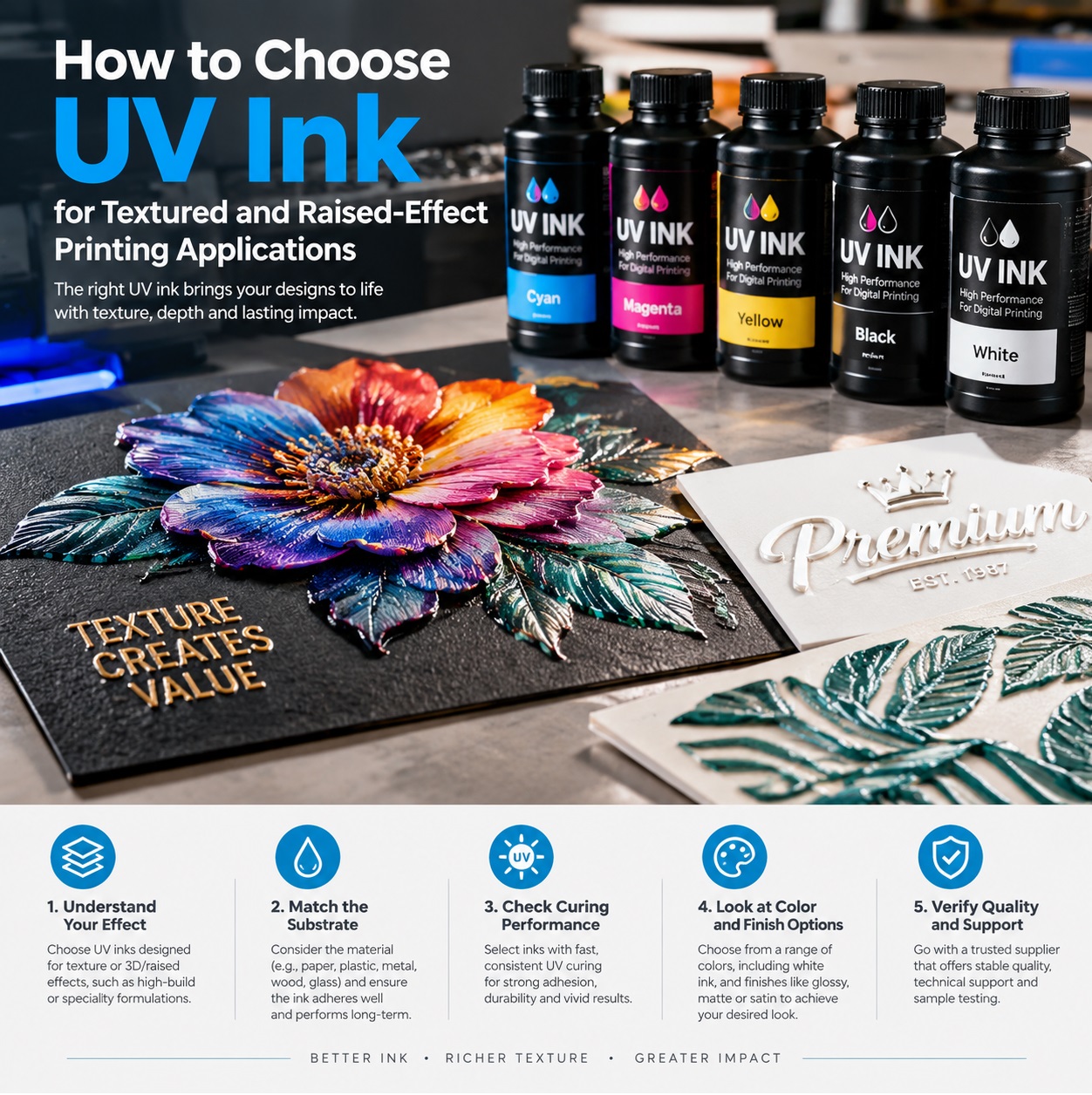 A raised UV effect can sell a label before anyone reads a word. That tiny ridge, that sandpaper grip, that soft-touch dome—it turns packaging into something people want to touch. But the wrong
 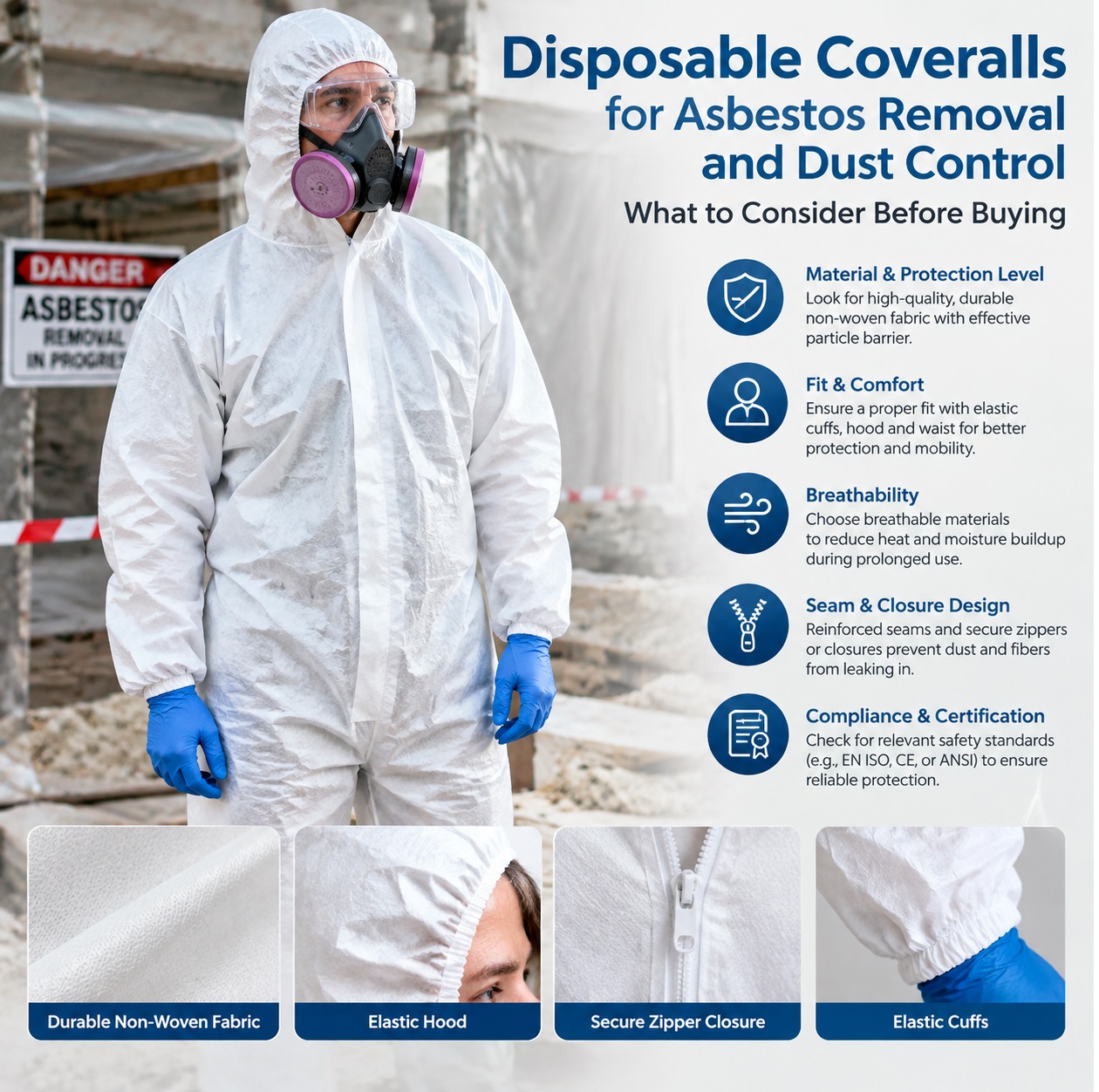 Nobody ever got yelled at for choosing the wrong respirator. They got yelled at because the coverall ripped under the arm on day two, or the hood wouldn’t sit right over a half-mask, or the whole crew was overheating by 10 a.m. and started unzipping “just for a minute.”