Efficient fluid flow management is essential for maintaining smooth operations across modern industrial systems. Advanced solenoid valve designs provide dependable solutions by combining electromagnetic technology, precision engineering, and carefully developed internal components. These valves help regulate the movement of liquids and gases through automated opening, closing, and directional control. Their versatile construction supports consistent performance, operational convenience, and improved control across various applications.
Understanding Advanced Solenoid Valve Technology
Solenoid valves in platform like https://www.vincervalve.com/solenoid-valve-types/ use electromagnetic energy to control fluid movement with accuracy and convenience. When an electrical current activates the coil, magnetic force moves an internal mechanism that regulates the flow passage. This operating principle supports responsive control and reliable automation.
Important technological features include:
- Electromagnetic operation: Enables convenient electrical control of fluid movement.
- Precision mechanisms: Support accurate opening and closing functions.
- Compact construction: Makes installation convenient in different system configurations.
- Automated functionality: Reduces the need for continuous manual operation.
- Responsive performance: Supports smooth switching during regular operating cycles.
Exploring Different Solenoid Valve Designs
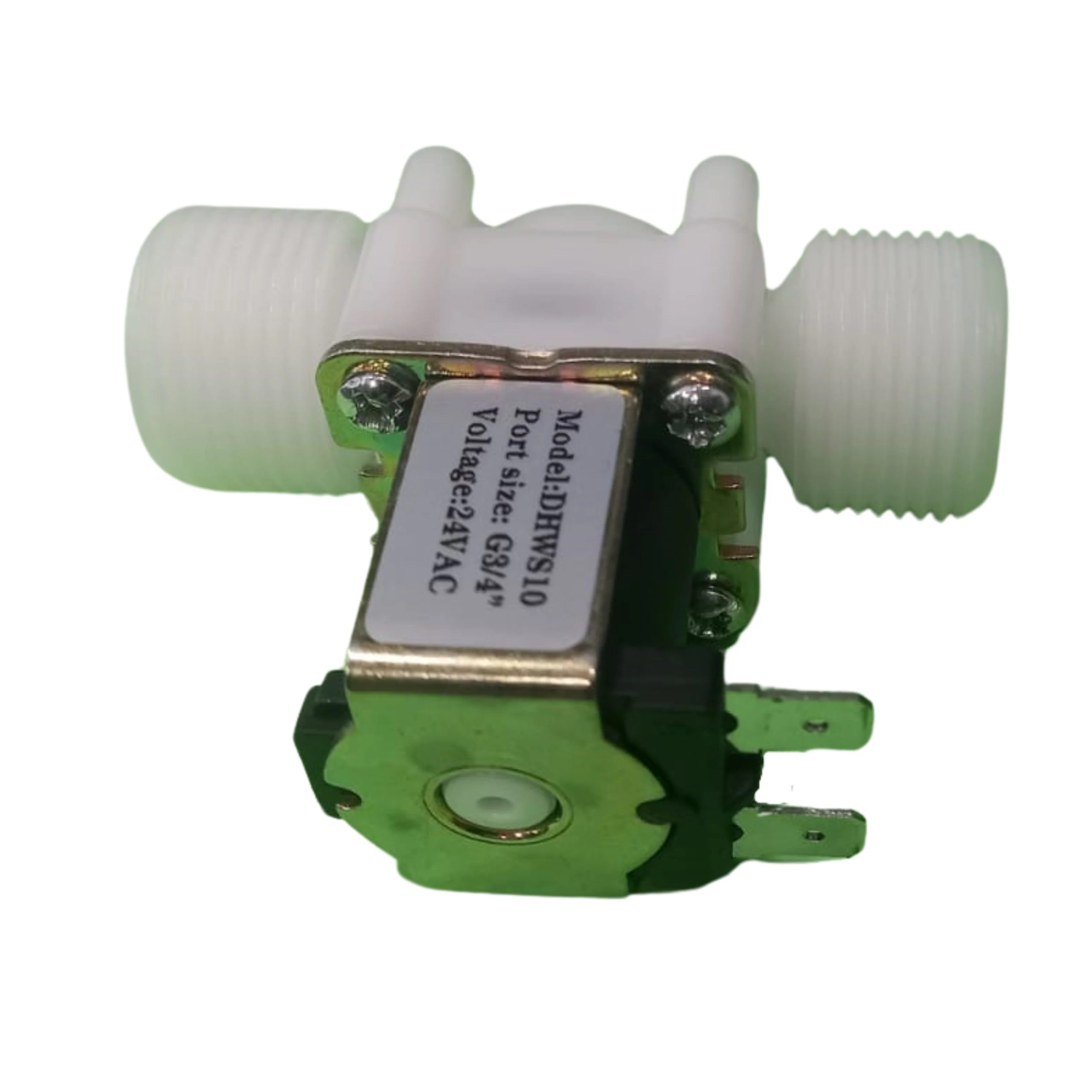
Different valve configurations are developed to accommodate specific flow requirements, operating pressures, and system arrangements. Understanding these variations helps engineers identify suitable designs for efficient fluid management.
Common designs offer several useful characteristics:
- Direct-acting valves: Provide responsive operation through direct electromagnetic movement.
- Pilot-operated valves: Use fluid pressure assistance to manage larger flow requirements.
- Semi-direct-acting valves: Combine direct movement with pressure-assisted operation.
- Normally closed valves: Keep the flow passage closed when electrical power is disconnected.
- Normally open valves: Maintain an open passage when the electrical supply is inactive.
These operating principles provide flexibility for different control requirements.
Benefits Of Precision Engineering And Quality Materials
Material selection and manufacturing accuracy contribute significantly to valve performance. Carefully designed internal components, durable seals, and suitable body materials support dependable operation across different fluid conditions. Quality construction also encourages consistent functionality during repeated operating cycles.
Valuable design considerations include:
- Corrosion-resistant materials for improved durability.
- Carefully engineered seals for dependable fluid containment.
- Accurate internal dimensions for consistent flow regulation.
- Strong valve bodies for suitable pressure requirements.
- Quality electrical coils for reliable electromagnetic operation.
Supporting Efficient Industrial Automation
Advanced solenoid valves contribute to automation by allowing electrical control systems to regulate fluid movement conveniently. Their flexible configurations support different equipment requirements while helping maintain coordinated operations.
Important application benefits include:
- Manufacturing systems: Support automated fluid distribution and equipment operation.
- Water management: Help regulate water supply and distribution.
- Temperature control: Assist fluid circulation in heating and cooling equipment.
- Pneumatic systems: Direct compressed air through suitable flow paths.
- Process equipment: Provide controlled liquid and gas movement.
Choosing Suitable Valve Specifications
Selecting appropriate specifications helps achieve reliable operation and efficient fluid management. Understanding operating conditions before choosing a design supports better compatibility and long-term performance.
Essential selection factors include:
- Fluid composition and material compatibility.
- Required operating pressure and flow capacity.
- Electrical voltage and coil specifications.
- Port dimensions and connection arrangements.
- Temperature conditions and environmental requirements.
Advancing Reliable Fluid Flow Management
Modern solenoid valve technology continues to support greater precision, convenient automation, and dependable fluid control. Improved materials, refined mechanisms, and application-focused configurations contribute to better system functionality.
Conclusion
Advanced solenoid valve designs provide valuable solutions for managing fluid movement across diverse industrial applications. Their electromagnetic operation, versatile configurations, and precision construction support consistent performance and efficient automation. Understanding their features and selecting suitable specifications helps create dependable systems with smooth and controlled fluid flow.