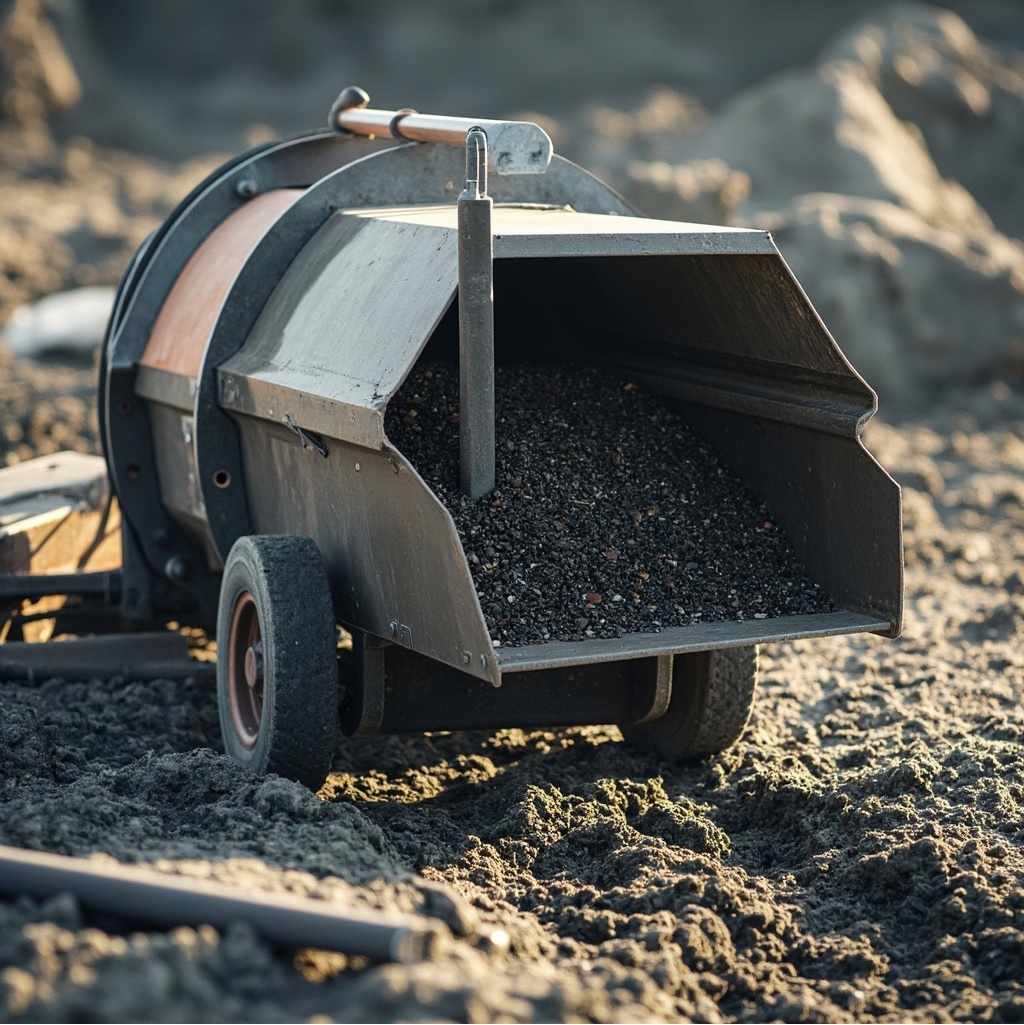
 You know that sinking feeling. You are walking the floor, and you spot it: a fine dusting of powder around the base of your horizontal paddle mixer. Or worse, a slow, steady drip of slurry. Material leakage is not just a housekeeping nuisance. It is a direct hit to your bottom line. Lost product, wasted labor for clean-up, potential safety hazards, and premature wear on bearings and seals. The good news is that this is almost entirely preventable. It is not about waiting for the leak to happen; it is about understanding the three specific pressure points where failure occurs and staying ahead of them.
Let’s talk about the seal assembly. This is the heart of the leakage problem. In a horizontal paddle mixer, the shaft passes through the end walls of the trough. That rotating shaft needs a seal to keep the material inside. The most common culprit is not a bad seal, but a misaligned one. Over time, the bearings supporting the shaft can develop microscopic wear. This creates a slight wobble. That wobble, even a millimeter, opens a gap at the seal lip. Suddenly, your fine powder is escaping. The fix is not to tighten the seal packing or replace the gasket every month. The fix is to check your bearing alignment quarterly. Use a dial indicator to measure shaft runout at the seal face. If you see more than 0.005 inches of deflection, you are already losing money. Address the bearing housing or the pillow block before you touch the seal.
Next, look at the paddle tips. This is a point many operators miss. The paddles themselves are not supposed to touch the trough wall. There is a critical clearance, usually between 3mm and 8mm depending on your material. If that clearance becomes too large due to paddle wear, material builds up on the wall. That static layer eventually hardens and creates a “dam.” The product then gets pushed sideways, forcing its way out through the end plate gaps. The solution is simple but often ignored: rotate your paddle tips. Most quality mixers, including those from REFAMIX, use reversible paddle tips. When one edge wears, flip it. Do this on a scheduled basis, not when you see leakage. If you wait for the leak, you have already damaged the trough liner.
Finally, do not overlook the discharge valve. It sounds obvious, but a leaking valve is often misdiagnosed as a shaft seal issue. The material pools inside the trough, and because the mixer is running, the vibration causes the liquid or fine powder to creep up the side walls and appear at the shaft. You chase the seal for weeks, but the real problem is a worn valve seat or a piece of debris caught in the gate. Every time you run a batch, perform a visual check of the closed valve from the outside. If you see any moisture or dust trail at the valve flange, stop the machine and inspect the seat immediately. A five-minute inspection here saves you an eight-hour seal replacement job.
Here is the hard truth: leakage is a symptom of deferred maintenance. It is not a random event. If you run your mixer until you see dust on the floor, you are already paying for it in lost yield. The most cost-effective strategy is to create a simple, documented checklist. Check shaft runout. Inspect paddle tip clearance. Verify valve seat integrity. Do this on a rotating schedule tied to your production cycles, not the calendar. A REFAMIX unit is built to hold tight tolerances for years, but only if you respect those tolerances. A millimeter of play is a river of lost profit. Stop the leak before it starts. Your yield report will thank you